Advanced Pile Testing & Monitoring Services
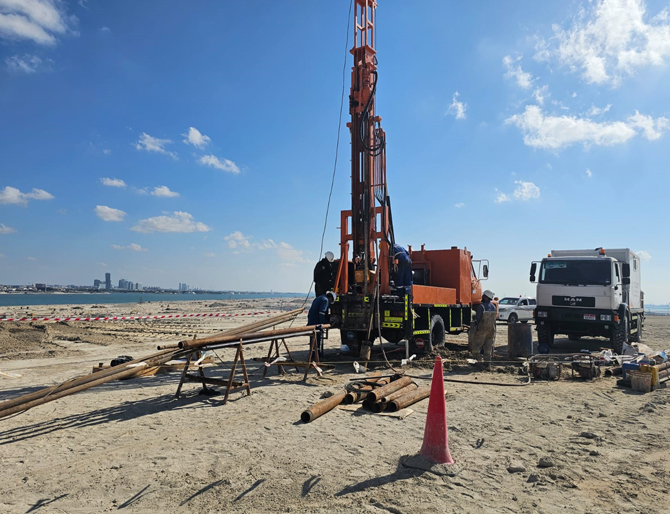
At MAS GMTL, we deliver a complete suite of advanced pile testing services to evaluate the integrity, performance, and long-term reliability of deep foundation systems. Our cutting-edge testing techniques—such as Low Strain Integrity Testing, Dynamic Load Testing, Cross-Hole Sonic Logging (CSL), Caliper Logging, Static Load Testing, Pile Driving Analysis (PDA), and advanced instrumentation—provide accurate data on pile quality, load-bearing capacity, and behavior under stress.
Our methodology integrates non-destructive evaluation, high-strain testing, and continuous monitoring, ensuring foundation systems meet strict safety standards and design specifications. Whether for new construction or existing structures, MAS GMTL helps identify anomalies, validate design capacity, and safeguard long-term performance.
List of Services:
- Low Strain Integrity Testing (Impulse Testing)
- Dynamic Load Testing (High-Strain Testing)
- Cross-Hole Sonic Logging (CSL)
- Caliper Logging
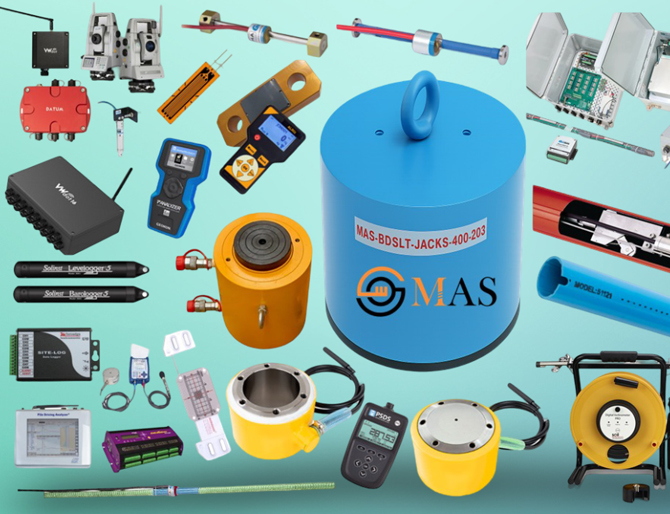
- Pile Instrumentation (Including BDSLT)
- Static Load Testing (Failure/Ultimate Load Test)
- Pile Driving Analysis (PDA)
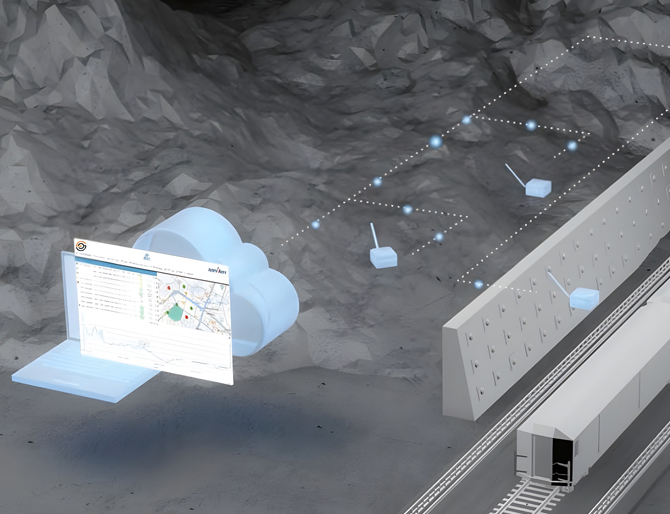
- Structure Monitoring for Long-Term Performance
- Advanced Geotechnical Testing (Soil–Pile Interaction)
Low Strain Integrity Testing (Impulse Testing)
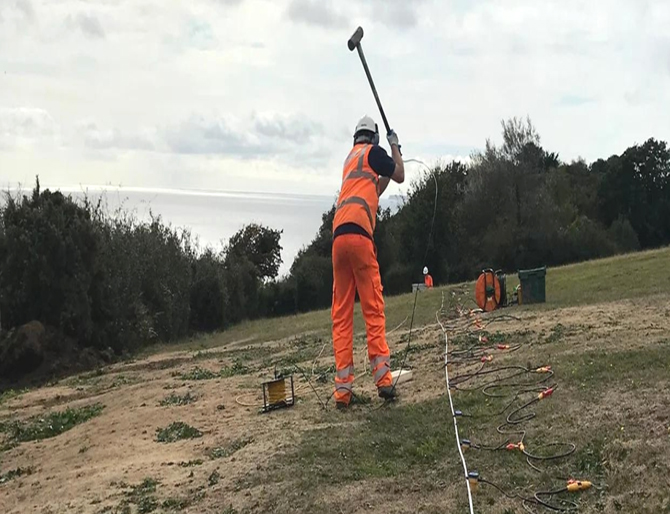
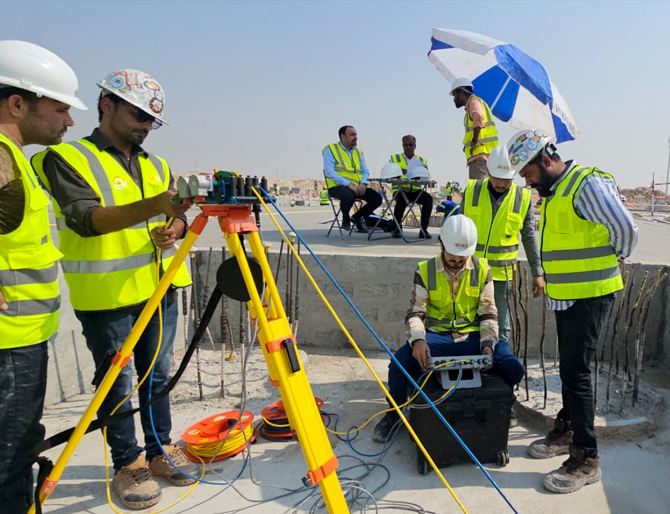
Methodology: A small impact is applied to the pile head, and reflected stress waves are analyzed to detect irregularities.
Purpose: Identifies cracks, voids, necking, or material inconsistencies along the pile shaft.
Benefit: A fast, cost-effective, non-destructive test ideal for both new and existing piles.
Dynamic Load Testing (High-Strain Testing)
Methodology: Piles are impacted by a heavy hammer, while sensors record force and velocity. Data is interpreted using wave equation analysis.
Purpose: Evaluates pile capacity, energy transfer, and soil resistance under dynamic conditions.
Benefit: Provides real-time capacity confirmation and validates design assumptions more quickly than static load testing.
Cross-Hole Sonic Logging (CSL)
Methodology: Ultrasonic pulses are transmitted between probes installed in tubes cast into the pile, measuring signal travel and attenuation.
Purpose: Detects anomalies such as honeycombing, voids, inclusions, or necking in cast-in-situ piles.
Benefit: Delivers reliable verification of pile integrity and structural continuity.
Caliper Logging
Methodology: A caliper probe is lowered into the pile to measure both the depth and internal diameter changes.
Purpose: Identifies bulges, constrictions, or irregularities in the pile geometry.
Benefit: Confirms compliance with design dimensions and ensures pile uniformity.
Pile Instrumentation (Including Bi-Directional Static Load Testing – BDSLT)
Methodology: Instrumentation such as strain gauges & LVDT(Liner variable displacement transducers) are installed to monitor displacement or settlement, and load transfer. BDSLT evaluates shear resistance at the pile–soil interface.
Purpose: Provides continuous or real-time insights into pile performance.
Benefit: Enhances understanding of soil–pile interaction and validates load transfer mechanisms under actual field conditions.
Static Load Testing (Failure/Ultimate Load Test)
Methodology: Incremental loads are applied to the pile head using hydraulic jacks, with settlement measured at each stage until ultimate capacity or service limit is reached.
Purpose: Determines the safe working load and ultimate bearing capacity of piles.
Benefit: Regarded as the most accurate and definitive method for pile capacity verification in critical foundations.
Pile Driving Analysis (PDA)
Methodology: Sensors installed on piles during driving measure stress waves, with results analyzed using specialized software.
Purpose: Monitors driving stresses, soil resistance, and pile integrity during installation.
Benefit: Confirms load capacity and ensures safe driving practices, reducing the need for excessive static testing.
Structural Monitoring for Long-Term Performance
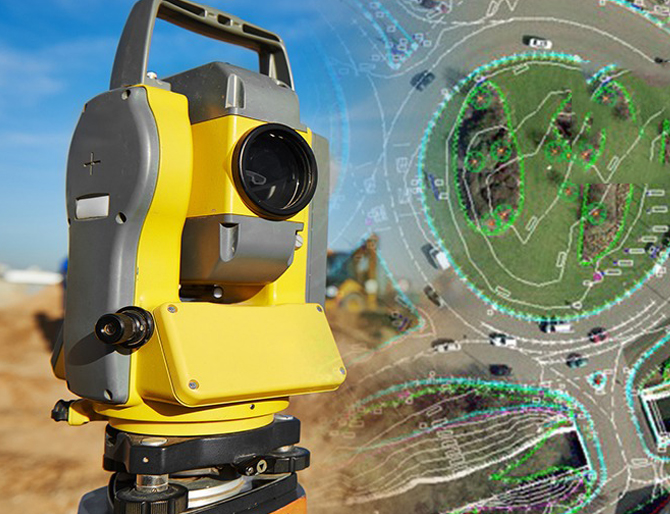
Methodology: Sensors and automated loggers are installed to track structural behavior over time.
Purpose: Monitors settlement, displacement, and stress distribution throughout the structure’s lifespan.
Benefit: Provides early warning of potential issues, preventing costly failures or repairs.
Advanced Geotechnical Testing (Soil–Pile Interaction)
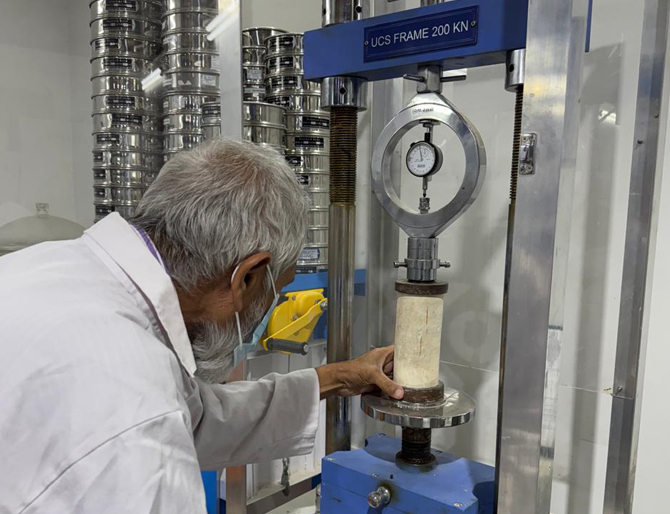
Methodology: Combines field sampling, laboratory shear testing, and numerical modeling to study soil–pile interactions.
Purpose: Determines how soil conditions affect pile settlement and load capacity under different loading scenarios.
Benefit: Optimizes foundation design by predicting performance with higher accuracy, reducing risk and uncertainty.
Partner with MAS GMTL
Through advanced testing, instrumentation, and continuous monitoring, MAS GMTL ensures pile foundations are not only compliant with design requirements but also optimized for safety, durability, and cost-efficiency. Our methodology-driven approach reduces project risks, improves reliability, and secures long-term structural performance
Want to Know More? | Contact Us